
Stitching Screws
Stitching screws are used for sheet-to-sheet and side-lap connections where the fastener must join thin metal components without relying on the supporting steel member. Selection should consider sheet thickness, thread form, washer requirement and corrosion exposure.
Products connected to this application.
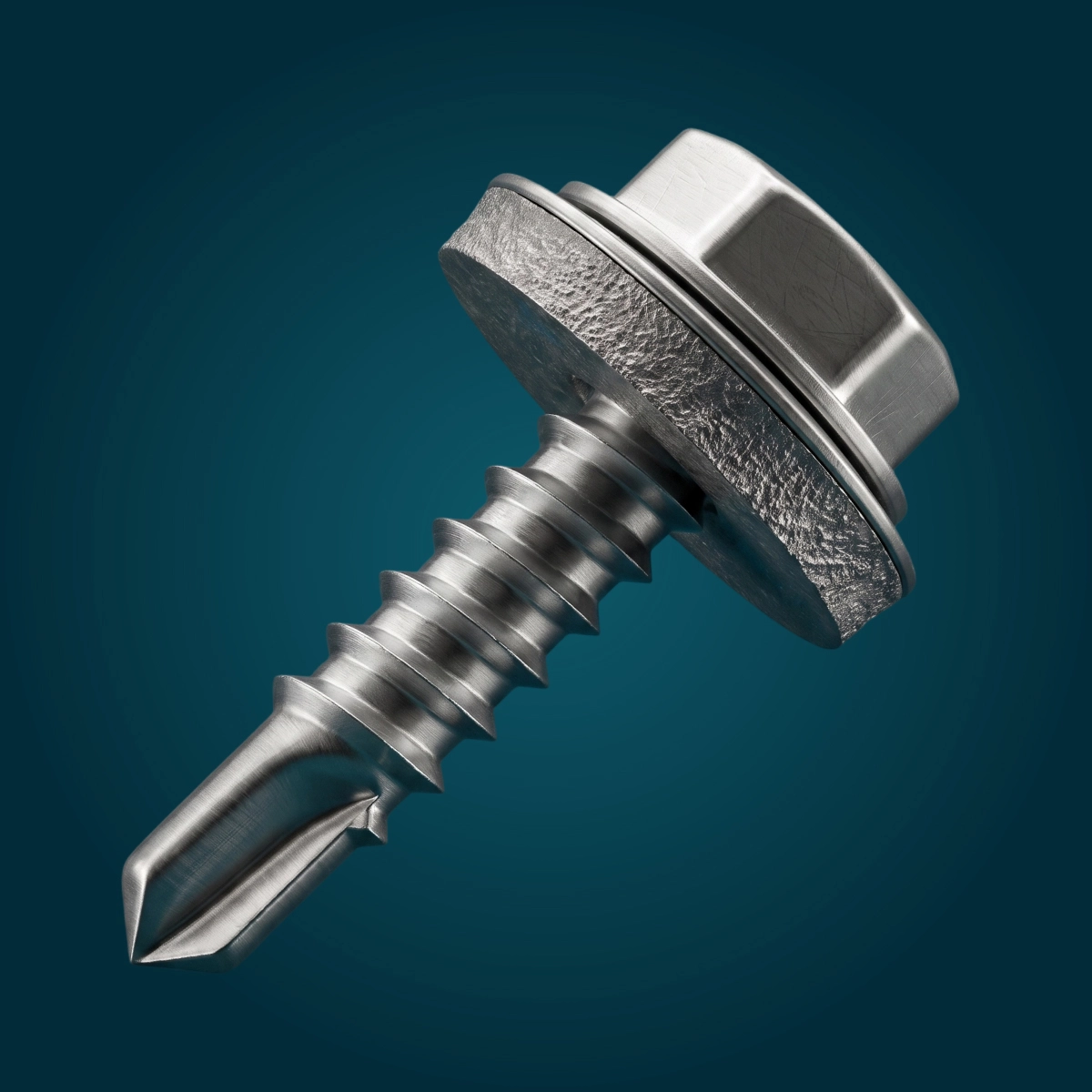 BIFIX-CS-48-1PBIFIX® 4.8XL 1P EcoZinView technical product
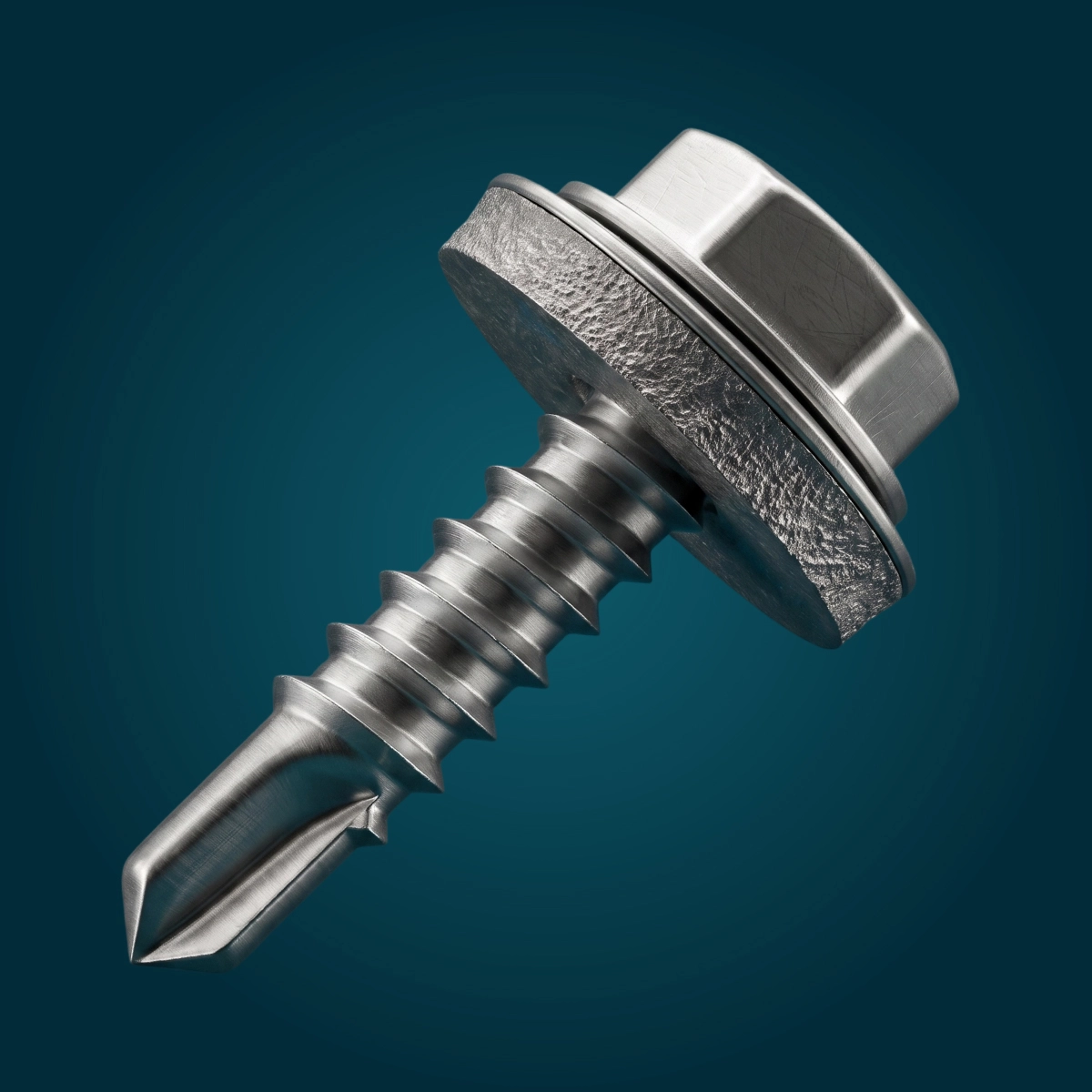 BIFIX-SS304-48-1PBIFIX® SS304 4.8XL 1PView technical product
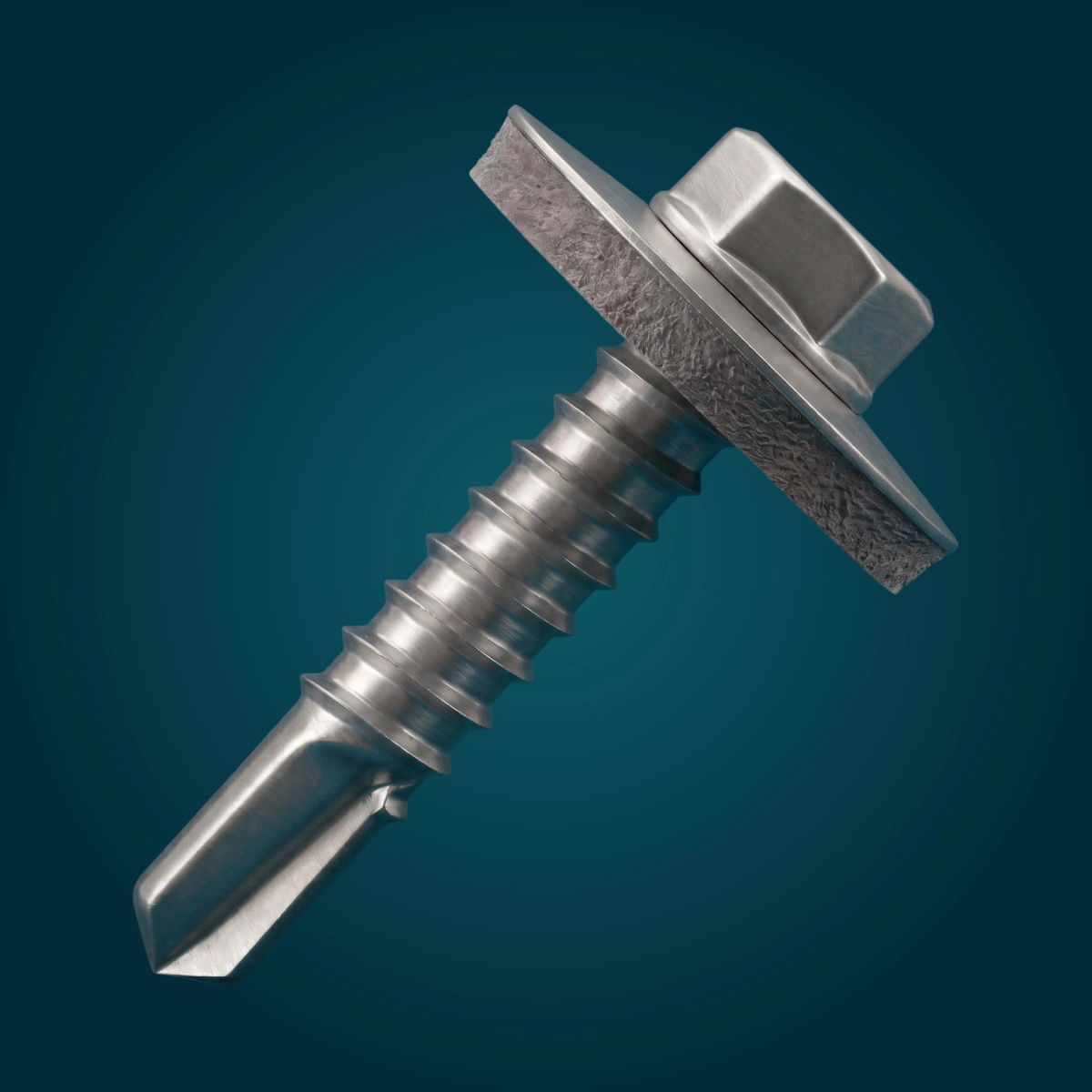 BIFIX-CS-55-63-3PBIFIX® 5.5XL & 6.3XL 3P EcoZinView technical product
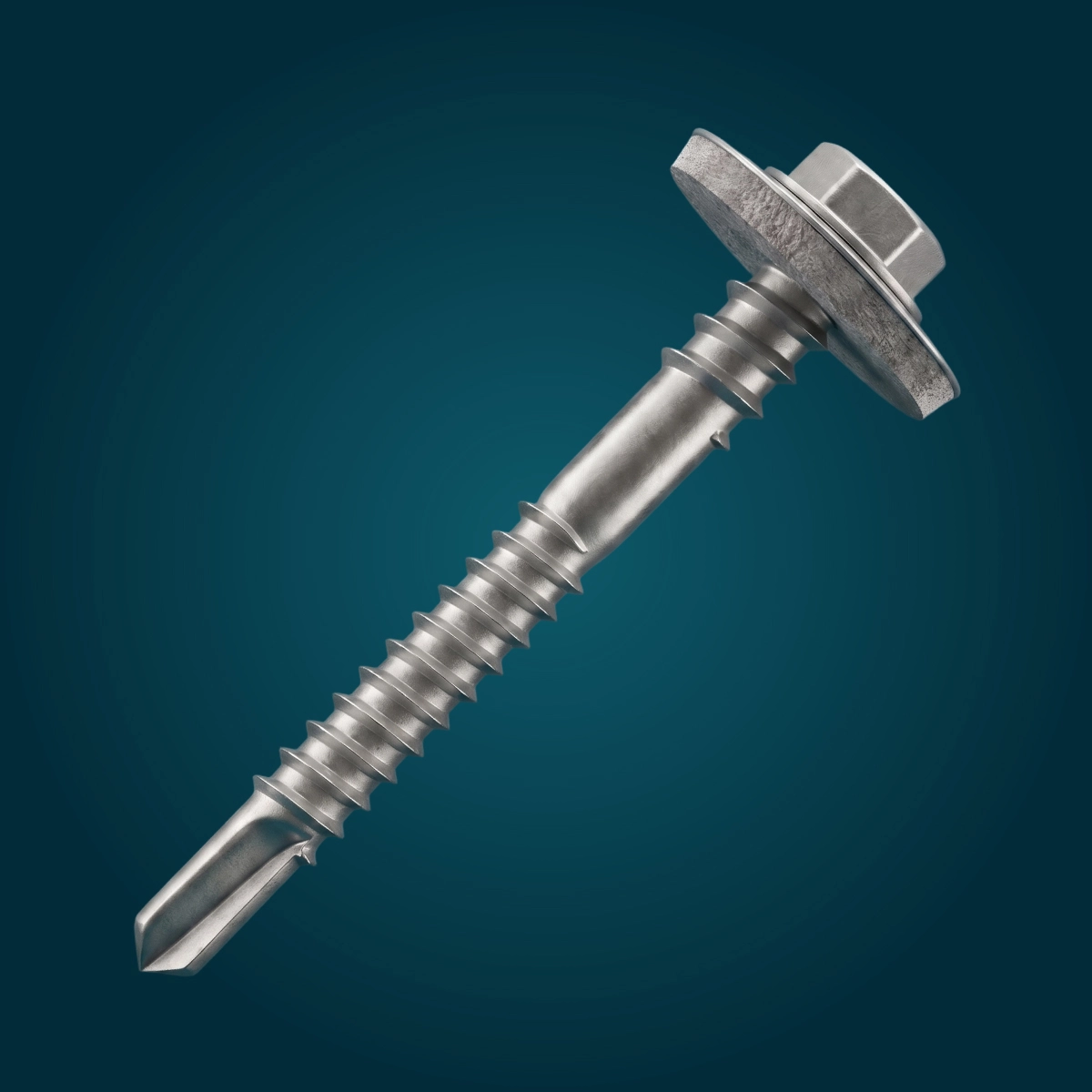 BIFIX-CS-HT-3PBIFIX® 5.5XL & 6.3XL High Thread 3P EcoZinView technical product
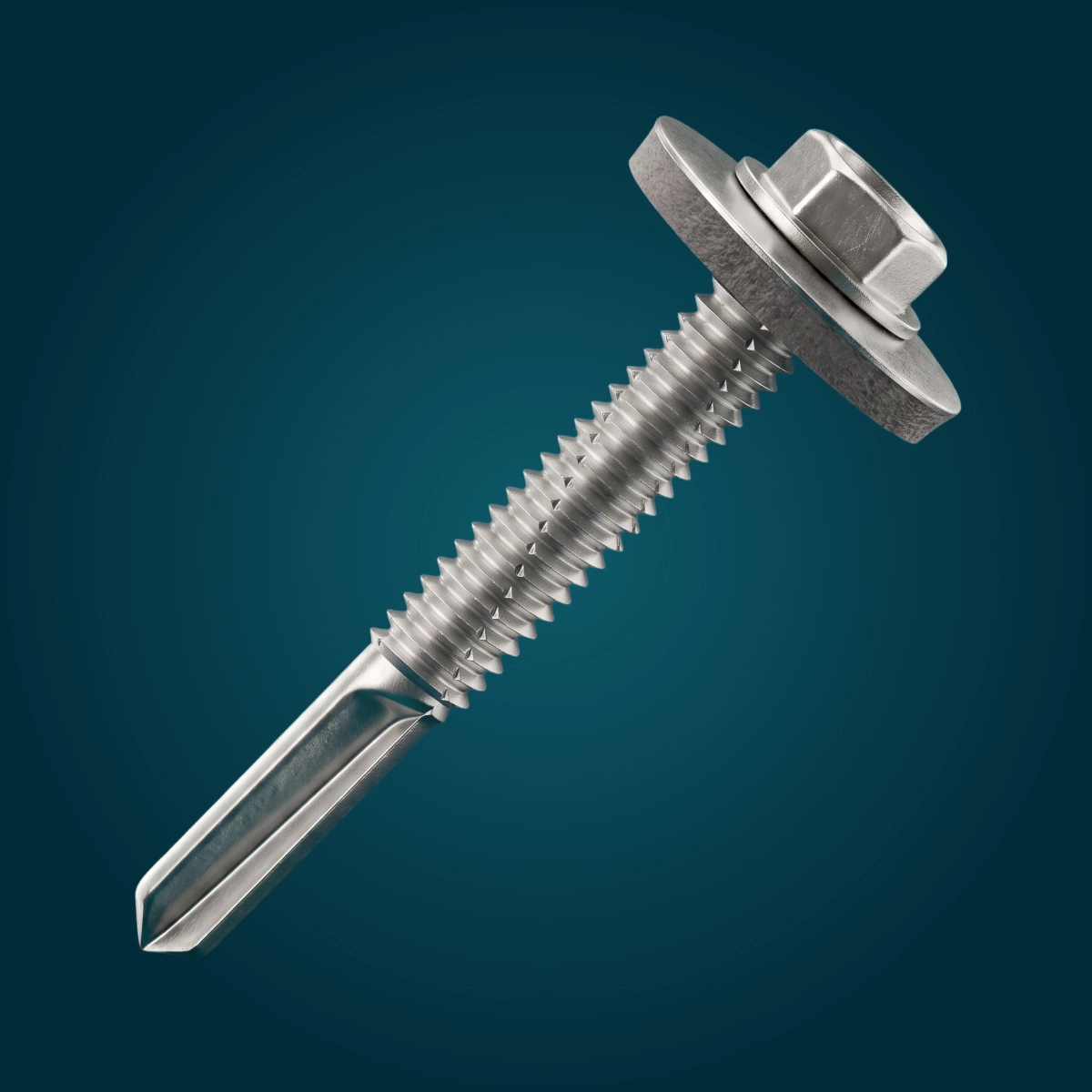 BIFIX-CS-55-5PBIFIX® 5.5XL 5P EcoZinView technical product
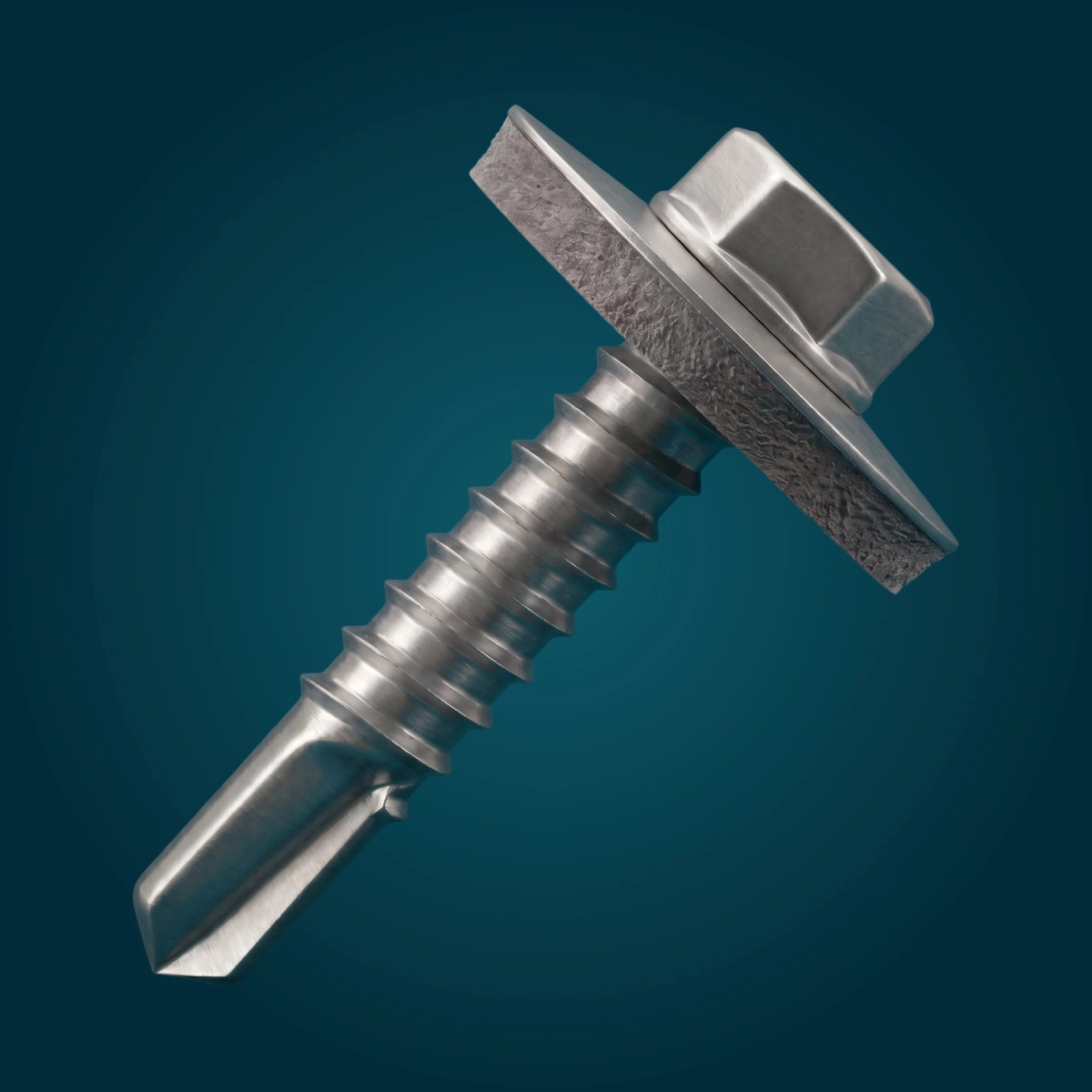 BIFIX-BM-55-63-3PBIFIX® Bi-Metal Stainless Steel 304 5.5XL & 6.3XL 3P UltraZinView technical product
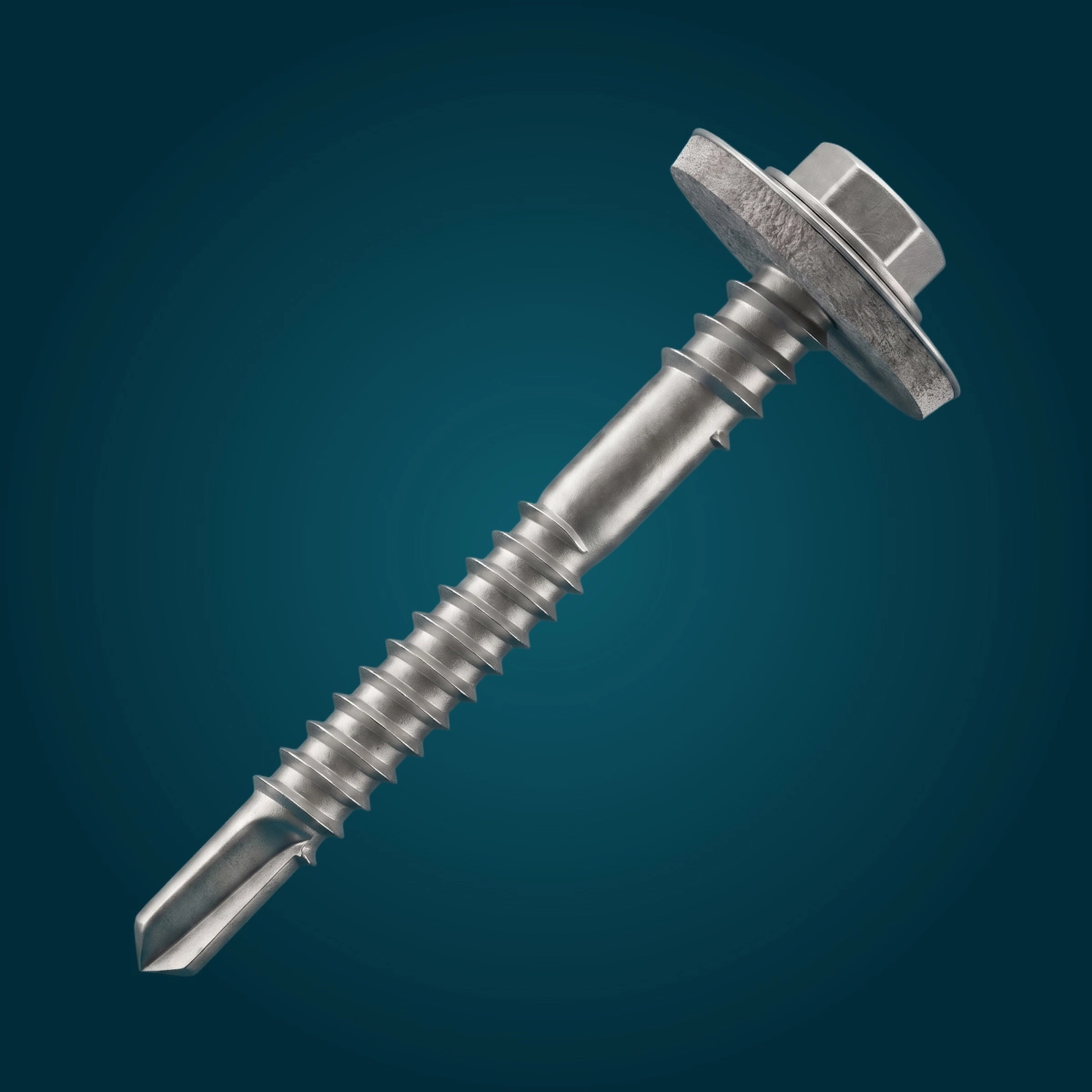 BIFIX-BM-HT-3PBIFIX® Bi-Metal Stainless Steel 304 5.5XL & 6.3XL High Thread 3P UltraZinView technical product
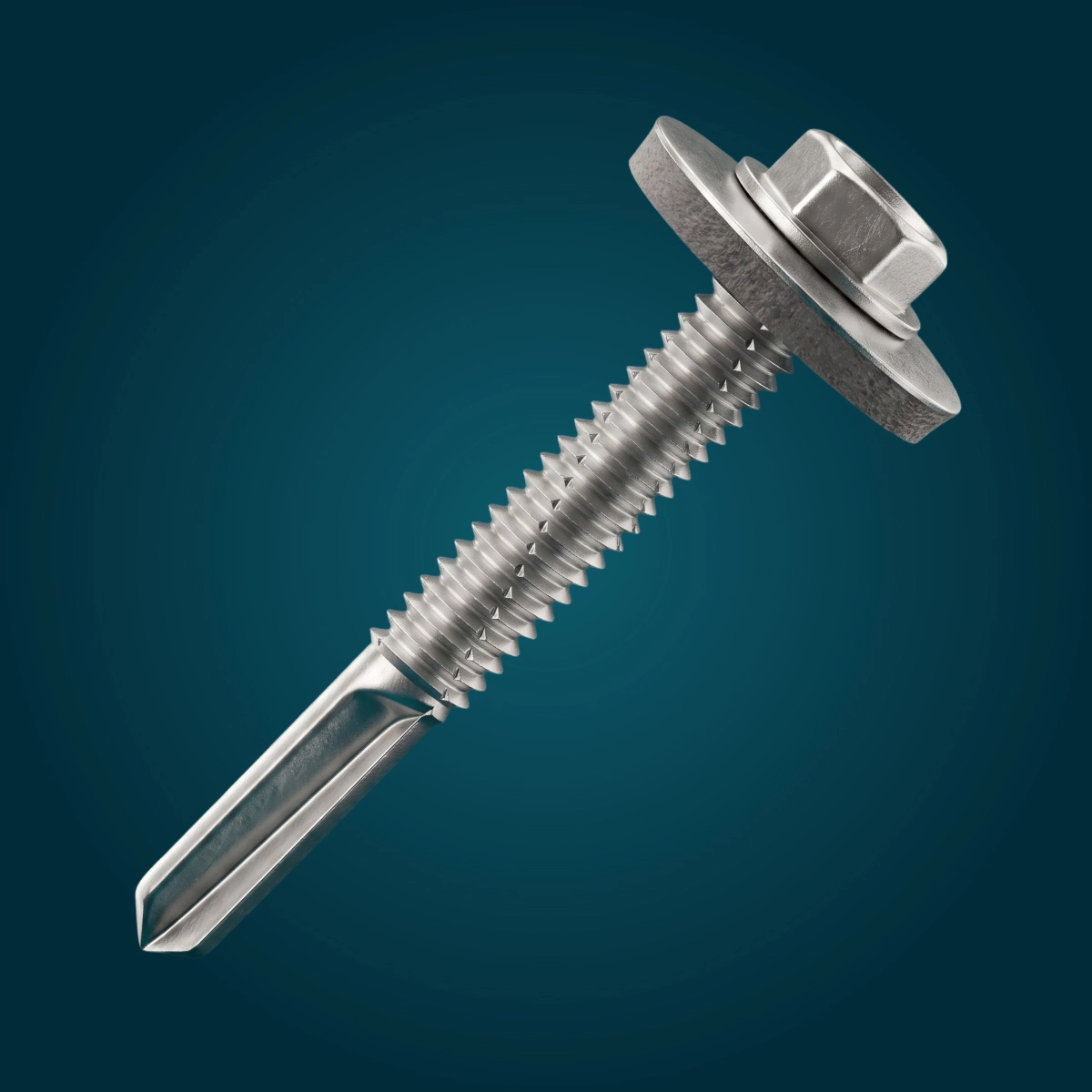 BIFIX-BM-55-5PBIFIX® Bi-Metal Stainless Steel 304 5.5XL 5P UltraZinView technical product
What matters for this connection.
Fastener selection
Stitching or side-lap screws connect overlapping sheet edges rather than fastening the sheet to the primary support. Select the thread and point for the combined thin-sheet build-up and required lap connection.
Installation control
Position the fastener through the intended overlap and install square to the sheets. Tighten sufficiently to draw the lap together without stripping the formed thread or distorting the sheets.
Connection checks
Check sheet thicknesses, lap geometry, fastener spacing, local sheet behavior, sealing requirement and exposure. Do not treat a side-lap fastener as a structural deck-to-support fastener unless documented for that use.
Common questions for this application.
What is the difference between a stitching screw and a primary roofing screw?
A stitching screw is generally used to connect overlapping sheet edges to each other. A primary roofing screw fixes the roof sheet or panel to the supporting member.
Why is thread stripping important in thin-sheet side laps?
The thread is formed in relatively thin connected sheets, so excessive installation torque can damage the formed thread and reduce the effectiveness of the lap connection.
Can stitching screws be used to fix sheets directly to purlins?
Only when the specific fastener is documented for that application. A side-lap product should not automatically be assumed suitable for primary sheet-to-purlin fastening.